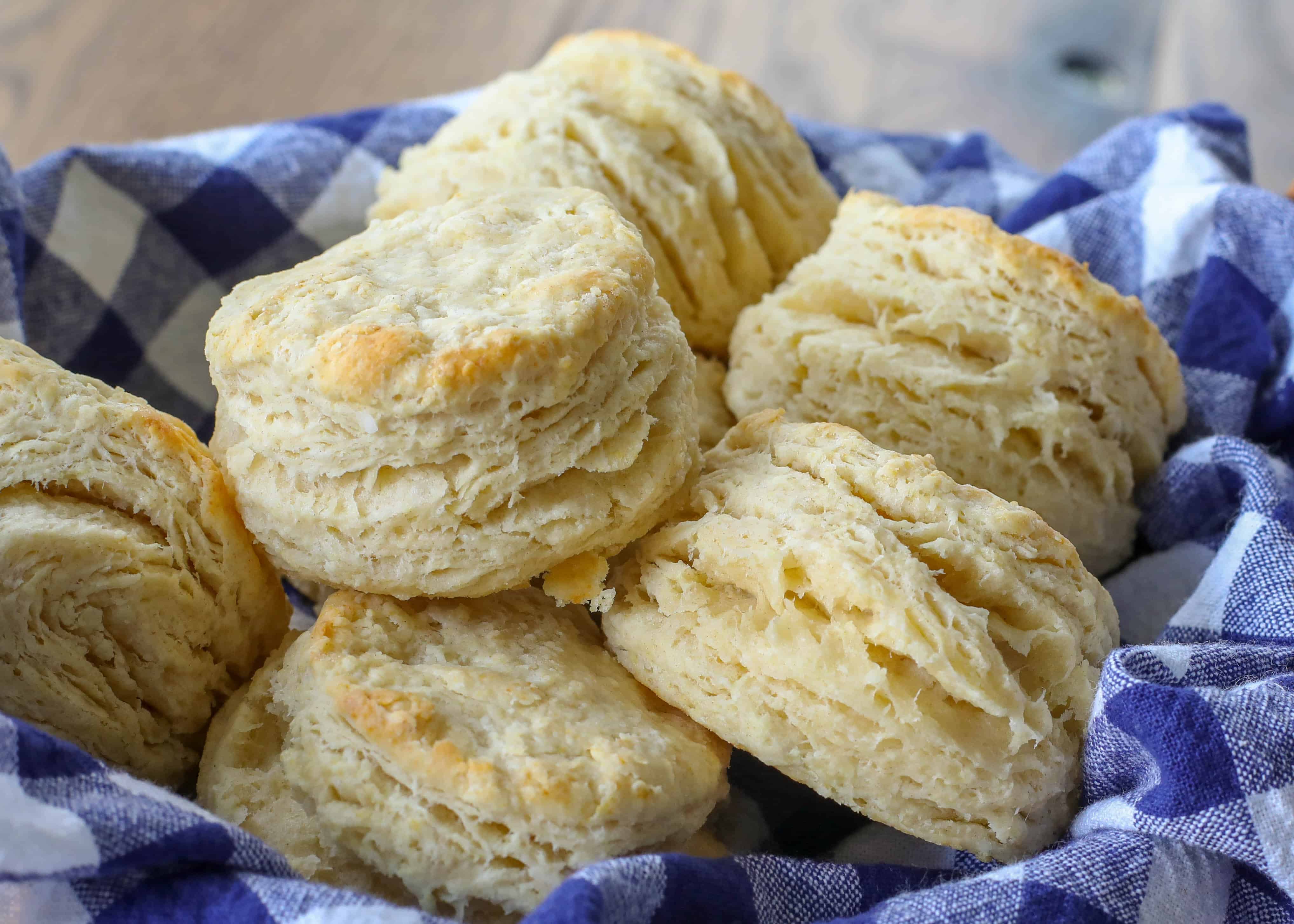
Dreaming of biscuits so tender they melt in your mouth, with golden-brown tops and countless buttery layers? The quest for truly light and fluffy reliable biscuits often feels like a baking enigma, fraught with tales of dense, unyielding hockey pucks. But what if we told you the secret to achieving biscuit nirvana is not in endless kneading, but in a surprisingly simple technique that takes just minutes of hands-on effort?
Forget everything you thought you knew about traditional dough handling. This article will unlock the power of the "Simple Fold Method," a game-changing approach that guarantees those coveted layers and an ethereal texture every single time. Prepare to transform your baking skills and impress everyone with your newfound biscuit prowess.
The Biscuit Journey: From Hockey Pucks to Heavenly Layers
Many home bakers share a common, humbling experience with their first attempts at biscuits. My own journey began over two decades ago, a newlywed eager to conquer the kitchen. I remember meticulously combining ingredients, then enthusiastically kneading the dough for what felt like an eternity – perhaps 30 minutes or more. My logic dictated that more kneading equaled more love, and surely, better biscuits!
Oh, how wrong I was. The resulting "biscuits" barely rose. They were flat, dense, and utterly inedible – hockey pucks, as my sweet, yet honest, husband politely called them. This culinary mishap scarred me, steering me clear of biscuit making for years. It’s a common pitfall: the instinct to overwork dough, which, in the case of quick breads like biscuits, leads to excessive gluten development. Gluten is fantastic for chewy artisan breads, but it’s the enemy of a tender, flaky biscuit. If you've ever experienced this frustration, you're not alone. Thankfully, after a few more trials and errors, I stumbled upon a method that finally yielded the fluffy, reliable biscuits I had always dreamed of.
For over two decades now, I've perfected a recipe based on this incredibly simple yet effective technique. These aren't just any biscuits; they are consistently fluffy, melt-in-your-mouth tender, boasting beautiful, distinct layers. It's proof that sometimes, the simplest methods yield the most extraordinary results.
The Secret Weapon: Embracing the Simple Fold Method
The true magic behind those coveted layers isn't in endless kneading, but in a technique that embraces minimal handling: the simple fold method. This is the cornerstone for truly light and fluffy reliable biscuits.
Instead of developing tough gluten, the folding process laminates the dough. It creates distinct internal pockets of butter (or fat) layered between thin sheets of dough. As these biscuits bake, the cold butter melts and releases steam, which then pushes up against the dough layers, creating those signature airy pockets and a remarkable rise. This gives you biscuits that are both tender and tall.
How to Execute the Simple Fold Method:
- Combine & Gather: Start by combining your dry ingredients, then cut in your cold butter. Gradually add your liquid (like buttermilk) until the dough just barely comes together. It should look shaggy and rustic – resist the urge to overmix! The moment it holds, stop.
- Pat It Out: Turn the shaggy dough out onto a lightly floured surface. Gently pat it into a rough rectangle, about 1/2 to 3/4 inch thick. The goal isn't perfection, just a manageable shape.
- The First Fold: Imagine folding a letter. Take one short end of the rectangle and fold it over to cover about two-thirds of the dough.
- The Second Fold: Now, take the remaining exposed third of the dough and fold it over the top of the previously folded section. You should now have a compact, three-layered rectangle.
- Repeat (Gently!): Turn the dough 90 degrees. Gently pat it down again to your original thickness. Repeat the folding process (steps 3 and 4) another 2-3 times. The more folds, the more layers you'll create, but remember, gentle is the keyword here. Each fold should be quick and light, minimizing handling.
- Final Pat Down: After your final fold, gently pat the dough down to your desired cutting thickness (usually around 1/2 to 3/4 inch). This minimal handling ensures the butter remains cold and the gluten undeveloped.
This method truly transforms the texture, delivering biscuits that are unbelievably tender with a wonderful flaky structure. It’s the secret to consistent success.
Beyond the Fold: Essential Tips for Biscuit Perfection
While the simple fold method is paramount, a few other crucial techniques will elevate your biscuits from good to utterly phenomenal. Mastering these tips will ensure your light and fluffy reliable biscuits are always a triumph.
- Embrace the Cold: This is arguably the most vital tip after the fold method. Your butter, buttermilk, and even your flour should be as cold as possible. Cold butter creates those steam pockets for flakiness, and cold liquid helps prevent gluten from forming too quickly. Some bakers even freeze their butter and grate it, or chill their flour before starting.
- Butter Over Shortening: While shortening was once a staple in many biscuit recipes for tenderness, real, high-quality butter truly elevates the flavor. The rich, creamy taste of butter comes through beautifully, adding depth and a golden hue that shortening simply can't replicate. If you want truly delicious, melt-in-your-mouth biscuits, opt for real butter.
- The Mighty Buttermilk: The tangy acidity of buttermilk isn't just for flavor; it plays a critical role in biscuit chemistry. When combined with baking soda, buttermilk reacts to create carbon dioxide bubbles, which contribute significantly to the biscuit's rise and tender crumb. If you don't have buttermilk, you can make a quick substitute by adding a tablespoon of lemon juice or white vinegar to regular milk and letting it sit for 5-10 minutes.
- The Right Cut: No Twisting!: This is a game-changer many overlook. When cutting your biscuits with a biscuit cutter, press straight down firmly and pull straight back up. Do NOT twist the cutter! Twisting seals the edges of the biscuit layers, preventing them from rising independently and resulting in shorter, denser biscuits. A clean, straight cut allows those layers to puff up beautifully.
- Preventing the Lean: Sometimes, very tall biscuits can get a little top-heavy and start to fall over in the oven. A clever trick to prevent this is to lightly press a thumbprint into the center of the top of each biscuit before baking. This simple indentation can help them maintain their structure and rise evenly.
- Don't Overcrowd the Pan: Give your biscuits room to breathe and rise. Placing them too close together can inhibit air circulation and even prevent some biscuits from browning properly. A little space means a better rise and even baking.
- Hot Oven is Key: Biscuits are quick breads, and they love a hot oven (usually 425-450°F / 220-230°C). The high heat helps activate the leavening agents quickly and creates that initial burst of steam, giving your biscuits a rapid, impressive rise.
Why You Need Light and Fluffy Reliable Biscuits in Your Life
These aren't just any biscuits; they are versatile culinary champions ready to enhance any meal or snack. The beauty of truly light and fluffy reliable biscuits lies not only in their incredible taste and texture but also in their adaptability.
Imagine them:
- Sweetly Indulgent: Warm from the oven, slathered with homemade jam, honey butter, or a dollop of whipped cream and fresh berries. They're a simple yet elegant dessert.
- Savory Comfort: The perfect foundation for a classic Southern biscuits and gravy, a delightful topping for chicken pot pie, or sliced in half for an epic breakfast sandwich filled with eggs, cheese, and your favorite protein.
- As a Side: A humble yet elegant accompaniment to any dinner, soaking up gravies and sauces with unparalleled grace.
The best part? Achieving these perfect results takes just about ten minutes of active hands-on effort, making them a surprisingly quick and rewarding baking project. Once you master this method, you'll find yourself reaching for your biscuit cutter time and time again, enjoying the consistent success of tender, layered perfection. For another quick-to-make option, check out our guide to Buttery & Fluffy Biscuits: The 10-Minute Recipe for Tender Layers.
Gone are the days of dense, disappointing biscuits. With the simple fold method and these key tips in your arsenal, you're well on your way to baking light and fluffy reliable biscuits that will impress every time. Embrace the minimal handling, cherish the cold ingredients, and enjoy the glorious layers that await. Happy baking!
